
Exploring Personal Fitness Methodologies
A structured, independent resource presenting diverse approaches to physical training, historical context, foundational concepts, and the terminology that shapes how physical activity is understood.
Explore the topic About Struxis
A Framework for Understanding Physical Training
Struxis presents structured, editorially organized information about personal fitness approaches. The content does not advocate for any single method, nor does it prescribe routines or outcomes. Instead, it examines the field as a body of evolving knowledge — exploring terminology, historical shifts, common frameworks, and factors that have shaped how physical activity is understood across different eras and cultures.
Materials are composed for general understanding. They describe concepts as they appear within the broader landscape of exercise knowledge, maintaining a neutral, explanatory tone throughout.
This resource is editorially independent. No products, services, or commercial offerings are associated with this content.Core Concepts in Personal Fitness
Personal fitness encompasses a wide range of activities, disciplines, and philosophies. At its most fundamental level, the field draws from several recurring principles: the progressive adaptation of the body to physical stimulus, the importance of recovery and variation, and the role of individual context in determining what constitutes appropriate activity for any given person.
Different schools of thought have organized these principles in contrasting ways. Some methodologies prioritize strength and structural resilience; others center endurance, flexibility, or the integration of movement into daily life. None of these frameworks exists in isolation — they have borrowed from, responded to, and refined one another over decades of practice and inquiry.
- Progressive overload as a foundational training principle
- The role of recovery in long-term physical adaptation
- Specificity: training outcomes reflect training demands
- Variability in individual response to physical activity
- Movement quality as a distinct consideration from volume
- The relationship between consistency and observable change

The Role of Individual Context
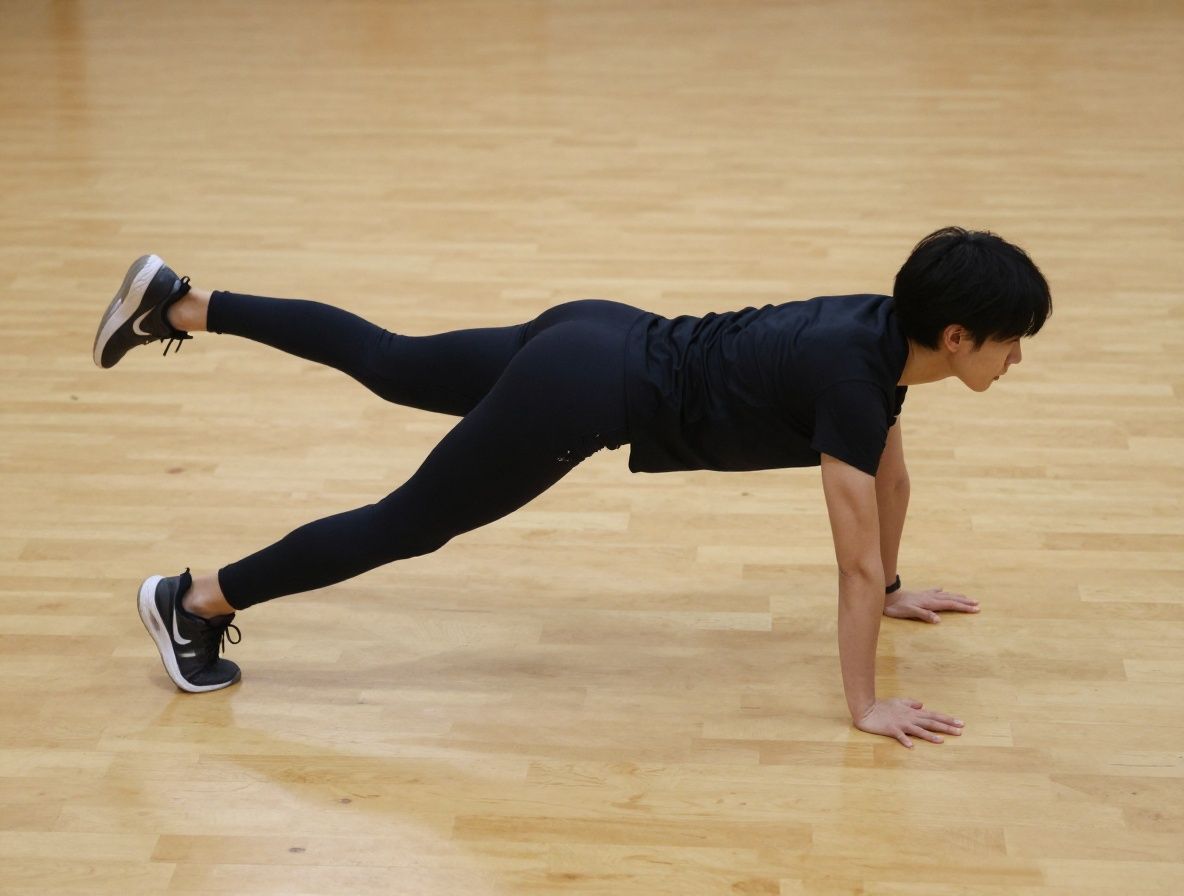
Among the recurring themes across fitness methodologies is the acknowledgment that responses to physical activity differ substantially between individuals. Age, prior activity history, environmental conditions, and the nature of daily routines all interact with training stimulus in complex ways. Understanding this variability is central to interpreting fitness literature with appropriate nuance.
Rather than treating any single program as universally applicable, informed approaches tend to describe ranges of typical responses, acknowledge the role of adaptation periods, and distinguish between short-term and long-term effects of different training styles.
Widely Held Inaccuracies About Physical Training
Fitness discourse contains a number of persistent inaccuracies that circulate widely in popular media. Examining them helps distinguish between well-supported observations and oversimplified claims.
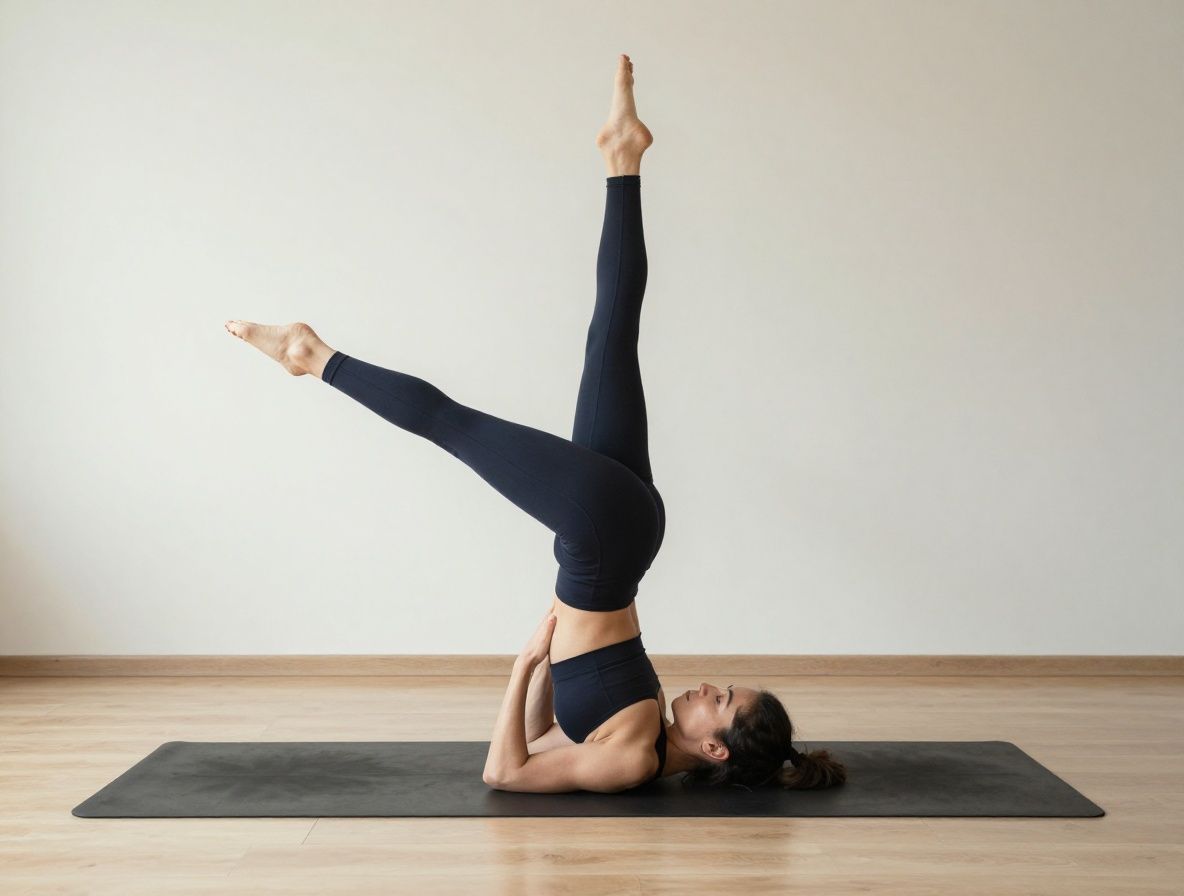
Stretching before activity prevents injury
What research suggestsStudies on pre-exercise static stretching indicate a more complex picture. While mobility preparation has value, static holds performed immediately before dynamic activity have not been shown to consistently reduce injury rates. Dynamic warm-up protocols that gradually increase movement range are more frequently associated with preparation effectiveness.

Longer training sessions always produce better outcomes
What research suggestsDuration alone is not a reliable proxy for training effectiveness. Shorter sessions with appropriate intensity and adequate recovery have been shown to produce comparable adaptation in multiple contexts. The relationship between session length and outcome depends heavily on training goals, individual recovery capacity, and the structure of the program over time.
Muscle soreness indicates an effective training session
What research suggestsDelayed onset muscle soreness (DOMS) reflects the body's response to unfamiliar or high-load eccentric movement rather than a definitive marker of productive training. Experienced practitioners often experience diminishing soreness despite continued adaptation. Soreness is one signal among many, and its absence does not indicate a lack of progress.
A Brief History of Exercise Philosophies
Physical training as a structured practice has existed across human cultures for millennia. Examining how different societies organized and justified physical activity provides useful context for understanding contemporary fitness frameworks.
-
Ancient Period – Pre-500 BCE to 400 CE
Military Readiness and Civic Duty
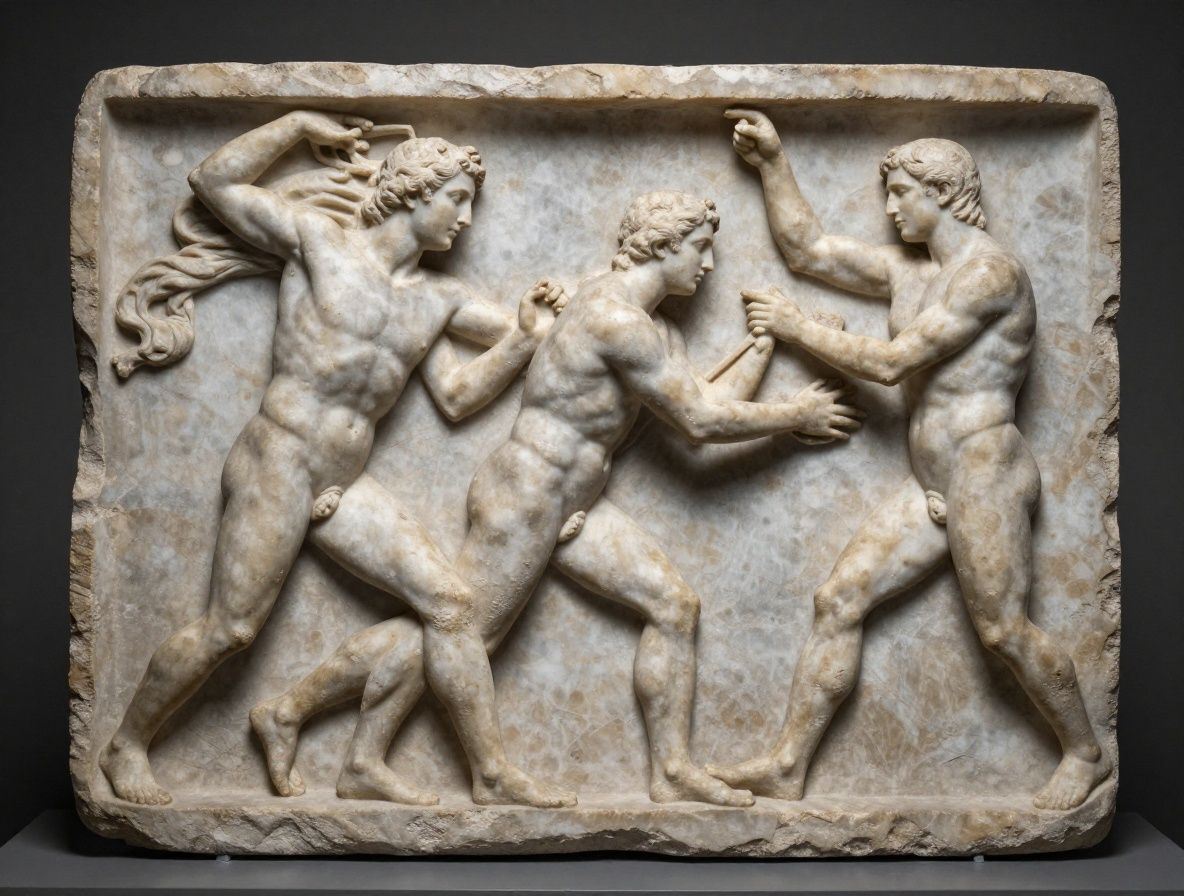
In ancient Greece and Rome, organized physical activity was closely tied to civic obligation and military preparation. The Greek concept of gymnastics — from the word meaning "to exercise naked" — referred to a broad system of training that included running, wrestling, and throwing disciplines. These activities were performed in dedicated public spaces (gymnasia) and were considered a component of civic and moral education as much as physical conditioning. The Roman approach similarly emphasized physical capacity as a form of civic preparedness, with training organized around the demands of military service rather than individual well-being.
-
Early Modern Period – 1700s to 1880s
Systematic Physical Education Emerges
The 18th and early 19th centuries saw the emergence of formalized physical education systems in Europe. Swedish gymnastics, developed by Per Henrik Ling in the early 1800s, introduced a codified system of exercises organized by anatomical function. This approach emphasized posture, joint mobility, and the systematic development of the body's musculature, and became influential in school curricula across Europe and North America. German Turnen, associated with Friedrich Ludwig Jahn, offered a parallel tradition emphasizing apparatus-based exercises and collective physical culture as an expression of national identity.
-
20th Century – 1900s to 1980s
Individualization and the Science of Exercise
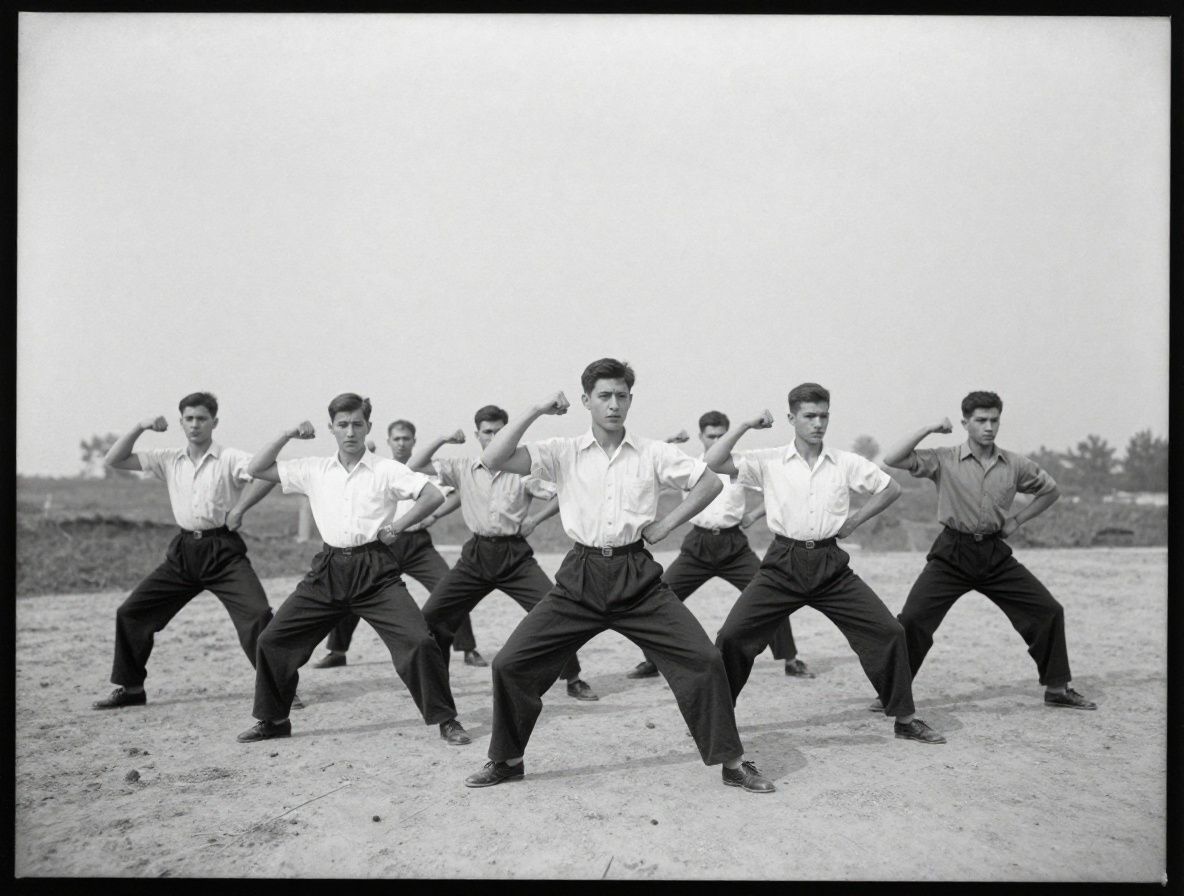
The twentieth century brought significant changes to how physical training was conceptualized. The development of exercise physiology as an academic discipline during the mid-century period introduced a scientific framework for understanding the body's responses to activity. Researchers examined variables such as oxygen uptake, heart rate, muscular hypertrophy, and energy system utilization, providing a more granular language for describing training effects. This period also saw the gradual shift from collectively oriented physical culture to individual-centered fitness, with commercial gymnasiums, home exercise equipment, and personal routines becoming increasingly normalized in Western contexts by the 1970s and 1980s.
Frequently Asked Questions
A selection of questions that arise frequently when exploring fitness methodologies at an introductory level.
Questions About the Resource
For general questions about the content, editorial scope, or organizational context of Struxis, correspondence is welcome via the address below.
[email protected] Go to contacts


There Is More to Explore
The field of personal fitness encompasses decades of evolving research, diverse cultural traditions, and a broad vocabulary of concepts. This resource presents those dimensions in structured, accessible form.
Learn more about Struxis